
Steamers and Drifters: How to Read Market Moves Like a Trader
29 Jul 2026 · 6 min read · True Overlay team
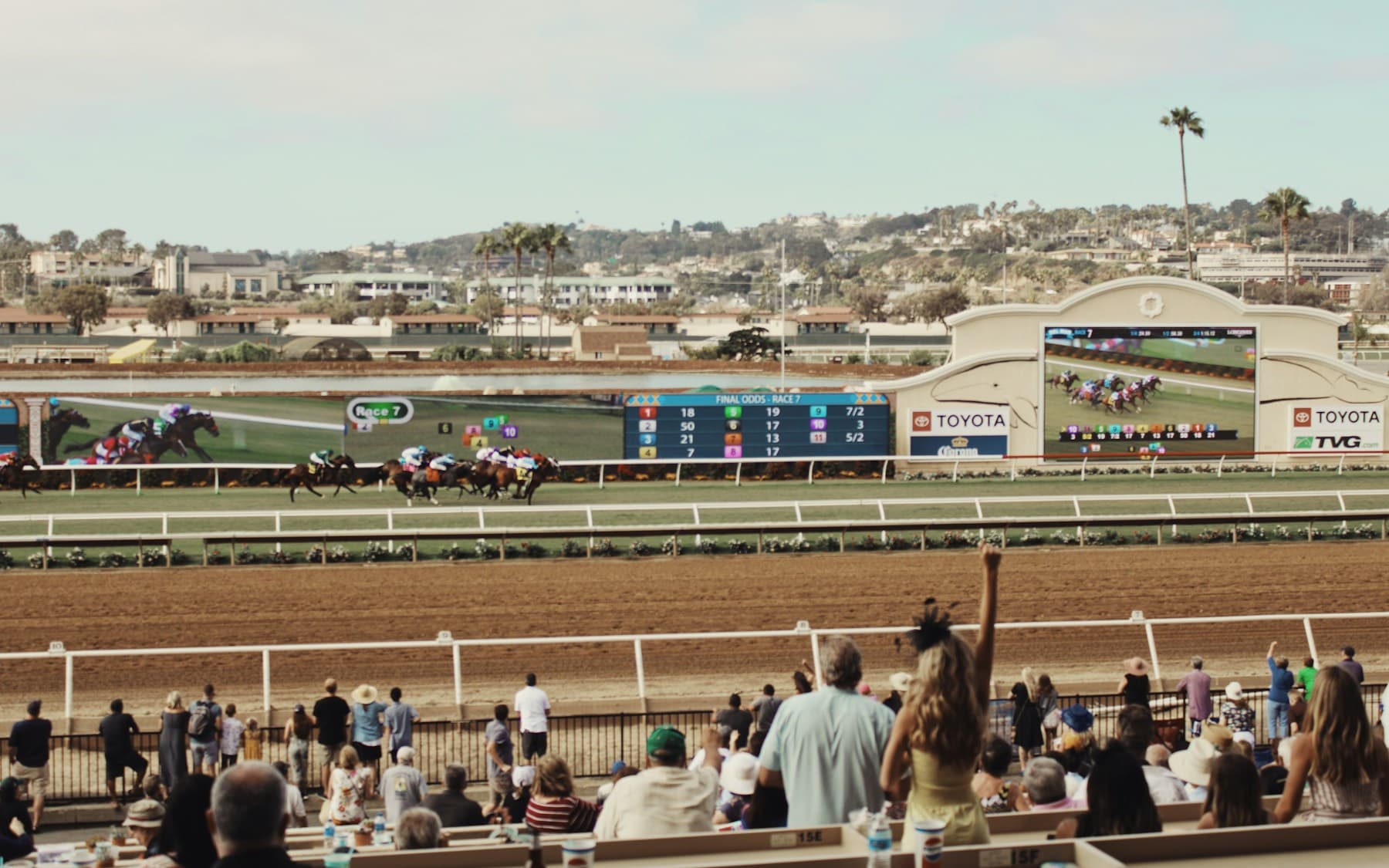
A 'steamer' is a horse whose odds shorten significantly before the off; a 'drifter' moves the other way. The folklore says follow the money. The data says: sometimes. Market moves contain real information, noise, and manipulation in proportions that change with when, where, and how the move happens.
Moves that mean something
Early money from accounts that win is the strongest signal in the market — bookmakers themselves reprice off it. A horse backed from 8/1 into 5/1 overnight, in a quiet market, before the racing press has published, is usually moving because someone knows something: a gallop report, a stable's confidence, a ground reading.
Late drift in a liquid market matters too, in the opposite direction. A well-fancied horse easing from 3/1 to 4/1 in the last ten minutes at Betfair-scale liquidity often reflects genuine on-course doubts — the paddock watchers seeing something the form book can't.
Moves that mean nothing
Tips from mass-market tipsters move prices without adding information — a thousand small bets create the same steam as one informed one. TV mentions do the same. And in weak morning markets, a few hundred pounds can move a 16/1 chance three points, which tells you about liquidity, not the horse.
A responsible model treats market movement as one input among many rather than gospel. If the market price changes, the displayed market-versus-model gap should be recomputed and timestamped.
See the idea in a worked example
Compare an estimated chance with a market price, understand the uncertainty, and see what the product is designed to show. No account required.
Explore the example