
Ranked field
Every active runner appears exactly once in model order.

Compare each horse’s estimated chance with the available odds. See the reasoning, spot missing information, and decide what deserves more research.
Fictional horse · invented numbers
An explanation, not a current tip or model result.
Estimated chance
One chance in four
Fair odds
The price implied by that estimate
Example market odds
A bigger price — worth a closer look
A price gap is a research prompt.
Even if 25% is right, this horse loses 75% of the time.
From numbers to a clearer decision
True Overlay is a research workspace, not a bookmaker or a promise of winning tips. Here is how to read the information it is designed to provide.
01
A ranked view brings estimated chances and market prices together, so you can see where they disagree.
02
Read the supporting evidence and missing inputs. A price gap matters only if the estimate deserves your trust.
03
Save your research and review it against the official result. A useful process includes the calls that went wrong.
Illustrative example only — not live data
The fictional estimate implies fair decimal odds of 4.00 (1 ÷ 0.25). An invented market price of 5.00 is higher. That is a reason to examine the evidence—not proof of an edge.
If the true chance were only 18%, fair odds would be about 5.56. The same 5.00 market price would then be too short. The quality of the probability estimate changes the conclusion.
Coverage contract
Great Britain, Ireland and Hong Kong are the core supported regions. A region becomes live only after its licensed feed and settlement workflow pass verification. North America is the next launch priority, with tote-aware pricing planned from the start.
Supported regions
Product coverage · feed-gated
Great Britain
Core supported
Ireland
Core supported
Hong Kong
Core supported
International
Selected cards
North America
Launch priority · feed pending
Planned for major US and Canadian circuits with pari-mutuel odds, fractional display and state-aware wagering context.
Australia
Expansion roadmap
Expansion labels describe product direction, not live availability. A region activates only after its licensed feed and settlement workflow are verified.
Explainable AI predictions
True Overlay turns verified race data into structured AI predictions—then shows the probability, fair price, evidence and uncertainty behind every call.
Inspect our AI methodologyEvery runner is ranked. No cherry-picked tip, no missing longshot, no hiding the inconvenient call.
We turn estimated win probability into a fair decimal price, then show the market gap in plain sight.
Source fields, freshness, model version and uncertainty stay attached to every published analysis.
Decision guardrail
Pre-commitment keeps a useful model from becoming an emotional shortcut. Define the bankroll, stake and stop point first.
Only use a separate bankroll you can afford to lose.
Set a fixed maximum stake before opening a card.
Pause when the session limit you chose is reached.
Live AI predictions
Predictions appear only when the stored card is no more than 30 minutes old and at least 50% of required form and rating fields are present. No qualifying feed means no fabricated picks.
—
Live cards
Integration ready · credentials pending
Connect the database and licensed racing feed to begin importing real cards. Until then, every live-data surface remains honestly unavailable.
View platform status →Analysis standard
Every active runner appears exactly once in model order.
A deterministic blend of de-vigged market consensus, stored ratings, and bounded AI is normalized to 100%.
Calculated deterministically from the normalized probability.
Paid top-two and top-three estimates are deterministically derived from the locked win vector under a disclosed Harville assumption and prospectively scored in the public platform ledger.
Median bookmaker prices are converted to a de-vigged field baseline; best price is kept separately for expected-value arithmetic.
AI classifies early run style only from supplied form and comments; code then derives a coverage-gated whole-field pressure diagnosis without changing the forecast.
Evidence labels resolve to non-empty source fields for that runner.
Missing inputs and data completeness remain visible beside the estimate.
Model ID, prompt version, input hash, source time, and generation time are retained.
Official results close the record without deleting unsuccessful predictions.
Settled runner probabilities feed a public multiclass Brier score, matched market-skill benchmark and forecast-band reliability table.
Operating lifecycle
Fetch licensed cards and results behind server-only credentials.
Map provider records into stable races, runners, prices, and result identities.
Create one structured shared analysis for the current source input.
Check identities, evidence, totals, arithmetic, freshness, and completeness.
Lock the prediction with its model, prompt, hash, and timestamp.
Attach official results while retaining every successful and unsuccessful call.
Institutional standards
A mature analysis product needs operating rules that remain intact after a win, a loss, a correction, or a missing feed.
An analysis is published only when its racecard exists in the normalized store and every cited field can be traced to that record.
The product presents hybrid estimated chances, component weights, fair prices, market gaps, and uncertainty. It never turns an estimate into a promised outcome.
Shared pre-race predictions are immutable. Once official results arrive, wins and losses settle into the same public ledger.
Incomplete form, ratings, comments, or prices reduce the displayed completeness score; the system does not invent replacements.
Reference library
The complete generation and validation contract.
Region registry, feed cadence, and freshness rules.
Product interpretation and derived API reference.
Public configuration readiness at request time.
Architecture, key handling, and trust boundaries.
Provider, AI, price, performance, and affiliate context.
The Blog
How overlays work, what the model measures, and how to bet an edge without going broke finding out.
 Photo: Cauã Cardoso
Forecast Validation7 min read
A prediction is not evidence of a good model. Here is a simple, repeatable way to test probabilities before confusing a short winning run with skill.
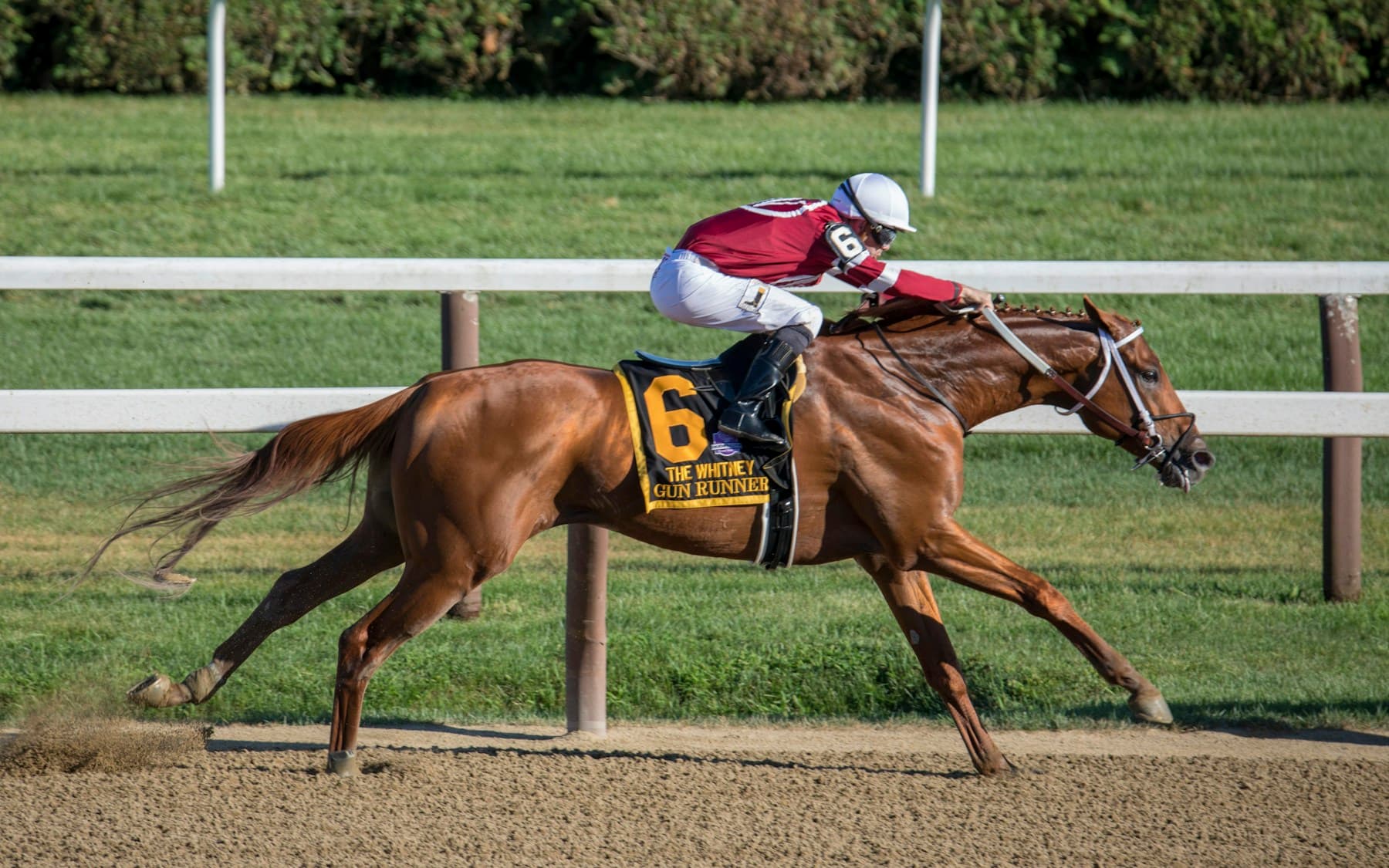 Photo: Keith Luke
Fundamentals6 min read
An overlay is a comparison between an available price and an uncertain estimate. Follow the arithmetic, then check what would make the apparent advantage disappear.
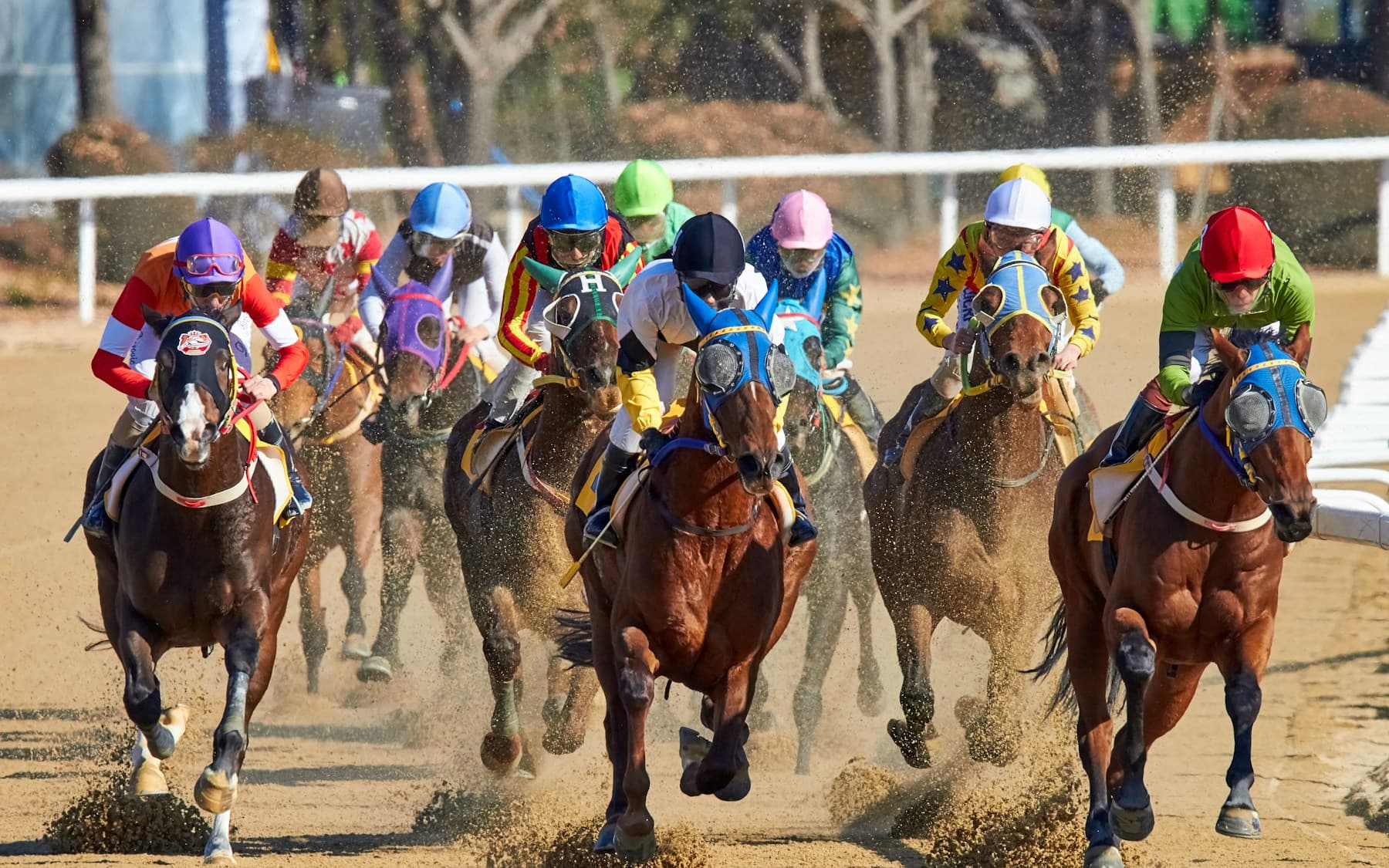 Photo: Mathew Schwartz
Model Inputs6 min read
A horse that finishes fourth can still have run a revealing sectional. Timing data can add context that the finishing position alone misses.